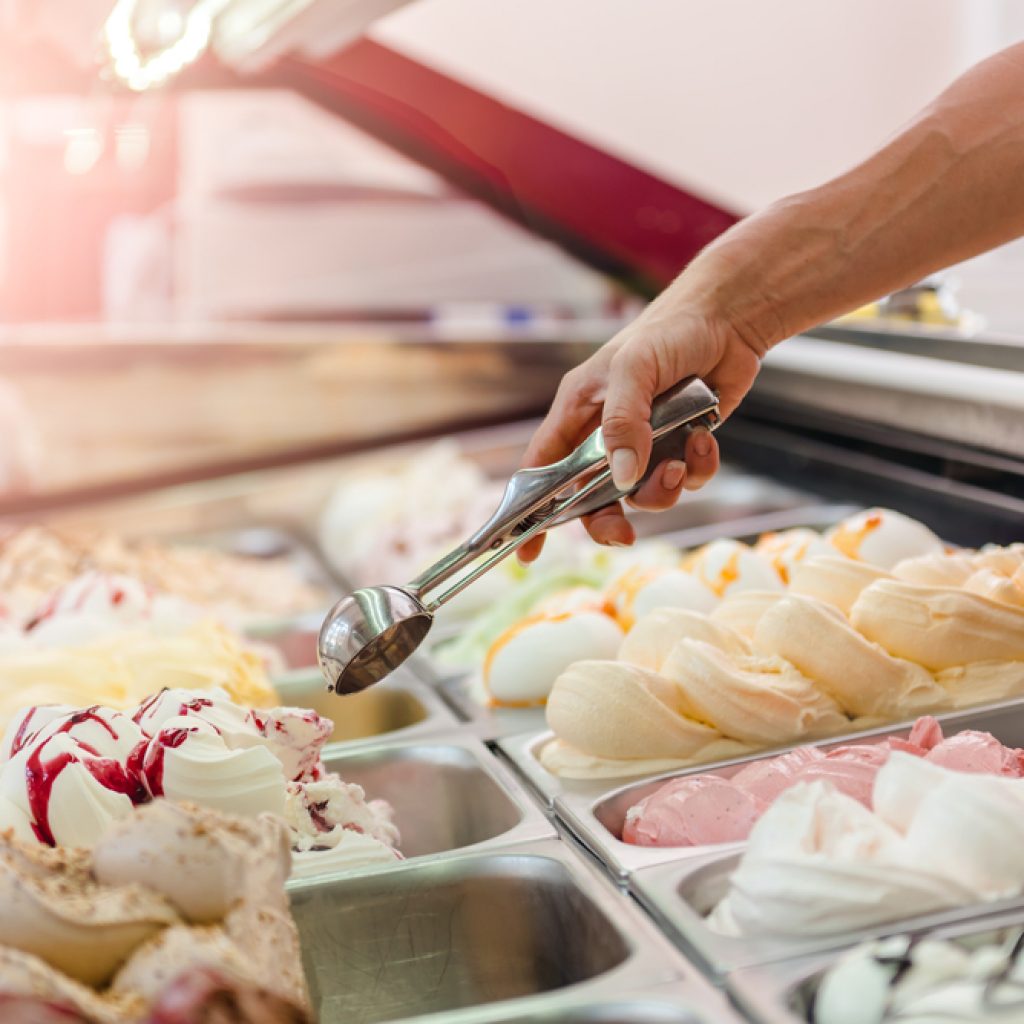
If there is one thing in the world that is perceived as typically Italian, besides pizza and fashion, it is ice cream. It is no coincidence that in the richest countries of the globe it is possible to find gelaterias (and often commercial chains) by the clear Italian name. In fact, there are many of our compatriots who in the 1960s and 1970s chose to become ice cream makers by opening a business abroad and making a fortune from this typical product of our tradition.
Today, homemade ice cream made in Italy is an industry that generates domestic wealth of more than 3 billion euros and has more than 25 thousand ice cream parlors, of which more than 7 thousand are located abroad. A product that acquires increasing portions of the market in the US, the Middle East and Asia. Which would then be a kind of circle that closes, given that early historical records of a product similar to ice cream as we know it today can be found in China, around 2000 BC. It was prepared with overcooked rice, spices and milk, after which it was put on snow to make it solid and indeed, ice cream. This preparation was brought to Italy by Marco Polo and from there it began its evolution to become the fresh, mouth-watering product we consume today.
In 1533, Catherine de' Medici married the future king of France, Henry II, and also spread to French territory. a semifreddo dessert made with sweet cream. In those days, the creation and storage of ice cream required well-stocked iceboxes year-round, a luxury that only the aristocracy could afford. In 1560 a Spanish doctor who lived in Rome, Blasius Villafranca, discovered that adding saltpeter to snow and ice could freeze anything faster and more economically.The discovery changed not only food preservation methods, but also the production of ice cream.
Until the advent of electricity, ice cream will in fact be made using a machine called the sorbet maker, cooled using ice and salt, and processing the product manually with a long spatula stick, through the technique of so-called mantecation. Technique still used today to make ice cream softer and more pleasing to the eye and touch if the refrigerator temperature is too high and ice crystals have formed in the product.
How to become an ice cream maker
Today, learning the art of ice cream making means learning. a profession of definite expendability, with a view to entrepreneurship, both in Italy and abroad. For more information about our course, taught by highly qualified faculty, you can request information here.
Source: Focus.co.uk.