altre Master in Impiattamento d'autore e Food Design Sensoriale (1)

Master in Impiattamento d’autore e Food Design Sensoriale

Neuroscienza, creatività e strategia per un impiattamento che lascia il segno

da Ottobre 2026

WHAT YOU GET WITH THIS COURSE
Project Work

Dal concept al piatto: tecnica, storytelling e innovazione nel Food Design contemporaneo

Nel 2026 il cibo non è più solo gusto, ma esperienza immersiva, identità e comunicazione. L’impiattamento diventa linguaggio visivo, strumento di branding e leva strategica per distinguersi in un mercato sempre più competitivo e digitale.

Questo Master forma professionisti capaci di progettare il piatto come opera multisensoriale, integrando estetica, neuroscienze, storytelling e innovazione tecnologica. Dalla neurogastronomia alla psicologia del colore, dal minimalismo evoluto al wild plating sostenibile, fino al social plating e alle nuove frontiere come realtà aumentata e food design interattivo, il percorso unisce creatività e metodo.

Attraverso moduli teorici e il laboratorio full immersion, i partecipanti svilupperanno una propria firma d’autore, imparando a costruire piatti iconici, coerenti con il proprio posizionamento e pensati per emozionare dal vivo e sullo schermo.

Un percorso avanzato per chef e professionisti della ristorazione che vogliono trasformare l’estetica del piatto in esperienza memorabile, identità distintiva e potente strumento di marketing gastronomico.

JOB OUTCOMES AND BUSINESS OPPORTUNITIES.

Il professionista specializzato in Impiattamento d’Autore e Food Design Sensoriale trova opportunità in ristoranti fine dining, hotel di lusso, resort e strutture di alta gamma, dove estetica, identità e storytelling del piatto sono elementi strategici dell’esperienza gastronomica.

Può operare come:

  • Chef o Sous Chef con specializzazione in presentazione creativa
  • Food Designer per ristoranti e gruppi hospitality
  • Consulente per il riposizionamento estetico e identitario dei menù
  • Food Stylist per shooting fotografici, editoria e campagne pubblicitarie
  • Content creator gastronomico per brand e ristoranti
  • Consulente in digital food branding e social plating
  • Formatore in ambito food design e impiattamento creativo

Nel mercato 2026, dove l’esperienza visiva e la condivisibilità digitale incidono sulla reputazione e sul posizionamento di un locale, questa specializzazione rappresenta un vantaggio competitivo concreto e altamente richiesto.

Project Work

HACCP Level 3 Certificate

CV reworking and dissemination

COURSE DETAILS

Al termine del Master, il partecipante sarà in grado di:

  • Progettare l’estetica del piatto in modo consapevole
  • Integrare neuroscienze e percezione sensoriale nella progettazione culinaria
  • Costruire una firma d’autore riconoscibile
  • Applicare tecniche avanzate di impiattamento
  • Integrare sostenibilità e creatività circolare
  • Interpretare trend e innovazioni del food design 2026
  • Progettare piatti per il digital branding gastronomico
  • Presentare e valorizzare il proprio lavoro in contesti professionali


Il Master in Impiattamento d’Autore e Food Design Sensoriale è rivolto a professionisti della ristorazione con almeno 2 anni di esperienza in cucina, in qualità di Chef, Sous Chef, Chef de Partie o Pastry Chef.

È particolarmente indicato per:

  • Chef che desiderano sviluppare una propria firma estetica distintiva
  • Professionisti del fine dining e dell’hotellerie di alto livello
  • Food stylist e consulenti gastronomici
  • F&B Manager interessati al posizionamento visivo del brand ristorativo
  • Cuochi e pastry chef che vogliono integrare competenze di branding e digital food design

Il percorso è pensato per chi vuole trasformare l’impiattamento da competenza tecnica a strumento strategico di identità, marketing ed esperienza multisensoriale.

PROGRAM 

MODULO 1 – FONDAMENTI DI FOOD DESIGN 

  • Evoluzione dell’impiattamento nella storia della ristorazione
  • Le 5 componenti dell’estetica del cibo: colore, forma, texture, disposizione e movimento
  • Introduzione al food design esperienziale
  • Il piatto come narrazione visiva

NEUROGASTRONOMIA E PERCEZIONE SENSORIALE

  • Neuroscienze dell’appetito e imprinting gustativo
  • Psicologia del colore e della forma nel piatto
  • L’effetto “wow”: emozione, memoria e desiderio
  • Sinestesia nel food: vista, olfatto e udito al servizio del gusto

MODULO 3 – STORYTELLING VISIVO E BRANDING DEL PIATTO 

  • Il piatto come medium narrativo: identità culturale e ristorativa
  • Branding visivo e riconoscibilità
  • Costruzione di una firma d’autore
  • Impiattamento come strumento di marketing (online e offline)

MODULO 4 – TREND & INNOVAZIONI NEL FOOD DESIGN 

  • Tendenze globali 2025-2026: minimalismo, wild plating, zero waste
  • Materiali e contenitori sostenibili
  • Tecnologie emergenti: realtà aumentata, stampa 3D, piatti interattivi
  • Social plating: estetica per la condivisione digitale

MODULO 5 – TECNICHE DI IMPIATTAMENTO AVANZATE 

  • Proporzioni, ritmo, simmetrie e asimmetrie
  • Linee di forza e spazio negativo
  • Estetica vs funzionalità
  • Forme geometriche e volumetrie complesse

MODULO 6 – SOSTENIBILITÀ E CREATIVITÀ CIRCOLARE 

  • Food waste e impiattamento consapevole
  • Creatività da scarti e sottoprodotti
  • Less is more: estetica della semplicità

MODULO 7 – FOOD DESIGN PER I SOCIAL E IL DIGITAL BRANDING GASTRONOMICO 

  • Estetica del piatto per lo schermo
  • Micro-narrazione e storytelling visivo per i social.
  • Food content design

PRESENZA

Giorno 1: Laboratorio tecnico-creativo

  • Progettazione e realizzazione di 3 impiattamenti su brief assegnato
  • Sperimentazioni con texture, supporti e strumenti
  • feedback individuale

Giorno 2: Autorialità e presentazione

  • Costruzione della propria “firma d’autore”
  • Creazione del proprio piatto iconico per il portfolio
  • Simulazione di presentazione per cliente o social

SEMINARI

  • Valorizzazione dei prodotti agricoli in chiave emozionale;
  • Tecniche per esaltare il colore, la texture e la forma naturale degli ingredienti stagionali

Level 3 HACCP Certificate

Private Certificate of Course Attendance

Certificate of Project Work

50 ore minimo di studio autonomo in autoapprendimento per il materiale didattico fornito e per le dispense fornite durante le lezioni, inclusa la possibilità di rivedere le lezioni registrate su piattaforma e le eventuali esercitazioni previste

PROPEDEUTICAL: Study on specific texts and industry content on e-learning platform ; 20-hour online course aimed at issuing the Level 3 HACCP Certificate

FASE D’AULA: 34 in live streaming, 16 ore in presenza a Milano

PROJECT WORK (Facoltativo)
Obiettivo: Progettare e realizzare un piatto iconico che rappresenti la propria identità professionale, integrando estetica, tecnica, narrazione visiva e principi di sostenibilità.
Attività previste:

  • Ideazione e concept design
  • Moodboard visiva e bozzetto del piatto
  • Realizzazione pratica del piatto a casa
  • Documentazione fotografica/video del processo creativo e del risultato finale
  • Breve presentazione per raccontare il significato e le scelte progettuali

PROFESSIONAL ORIENTATION: Resume development and dissemination and/or video Curriculum in the region of residence or preference

WhatsApp Image 2025-02-21 at 14.50.08

Michele Cobuzzi

Born in 1989 and of Apulian descent, Michele Cobuzzi came to the world of cooking through
family. Growing up in the countryside in close contact with nature, he has since childhood,
in fact, learned from his parents the love of genuine raw materials and agriculture.
On the family farm, nestled among olive groves, fruit trees, vegetables and livestock,
Michele soon developed a propensity to take care of ingredients, to
to wait and respect the rhythms of nature and to appreciate simple and genuine cuisine,
respectful of the land. From his mother, he learned the first traditional Apulian recipes; the
passion and determination, combined with creativity, led him to enroll in the school's
hotelier in Foggia and working in restaurants, since the age of 14. After graduation, he
his journey into the gastronomic world began: a journey that touched almost all the
Italian regions with a brief experience abroad in Ireland. The path of Michele Cobuzzi
is studded with great masters and important collaborations: from the one, at only 23 years old, with
Gordon Ramsey in Siena (in La Contrada Restaurant), to the kitchen of Bracali Restaurant (** 2
Michelin stars) in Maremma. These were followed by other high-level experiences: at
Milan in Il luogo Aimo e Nadia (** 2 Michelin stars) and at Enoteca Pinchiorri in Florence (***
3 Michelin stars). As of 2021, Michele Cobuzzi is executive chef of Anima (* 1 Michelin star).
and Vertigo (Contemporary Bar and Osteria), inside the Milano Verticale hotel | UNA
Experiences, and interpreter of Enrico Bartolini's gastronomic message, telling with
modern taste the rich heritage of Italian tradition and devoting particular
attention to the flavors and dishes of Milanese "extraction" by declining them with their own personal
imprint in homage to its origins.

CINO WANG PLATANIA

CINO WANG PLATANIA

Psicologo, esperto in marketing turistico per hotel, consorzi ed enti di promozione turistica, Cino Wang Platania si occupa di social media marketing e blog tour management per svariati alberghi e ristoranti, svolgendo anche consulenza alberghiera. Docente professionista di marketing e social media management per il turismo.

angela-simonelli-food-design-catering-impiattamento-corsi_13

Angela Simonelli

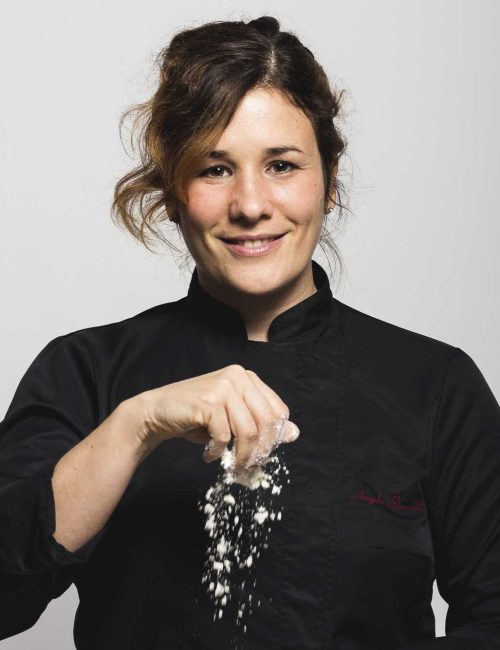
Angela Simonelli is an architect and food designer who combines aesthetics with cooking. She is not a chef, but sees dishes as canvases on which to create, playing with colors, shapes, and perspectives to offer a unique visual and taste experience. Since 2015, she began combining her design skills with her passion for art and photography in the field of cooking. She teaches "food design" in various Italian hotel institutes and offers consultations for creative plating. Her goal is to demonstrate that beautiful dishes can be easy to make, uncomplicated, and enhance the sensory experience of diners.
Foto Link DEF 2 copia

MATTEO FARNÈ

After graduating from the European Institute of Design (specializing in advertising graphics/art direction), he has been working since September 1996 as an art-director/creative director. His professional path passes through the most important advertising agencies in the Bologna area. Since 2002 he has been following direct clients, putting the skills he has gained at their disposal, giving birth to the MATTEO FARNÈ Marketing & Advertising, an "unstructured" agency composed of a dense network of freelancers with long-standing experience. He has done integrated advertising communication for top brands such as, among others, Dixan and Pritt (Henkel Group), Omnitel/Vodafone, Granarolo, Yomo, Misura Sweeteners, Ariete Home Appliances, Rimini Fiera, etc. Since October 1996, he also began teaching Graphic Design, Advertising Communication and Marketing at the Salesian Institute of Bologna in post-diploma and in-depth courses for professionals. Other teaching experiences: L.A.B.A. (Academy of Fine Arts Rimini - Visual Communication Design, Design Management), ISCOM (Training for Enterprises - Advertising Communication Techniques), N.A.D. (New Academy of Design - Master Visual Design), STOGEA (postgraduate master in Marketing and Communication), L.UN.A. (Free University of the Arts Bologna - Visual Communication, Advertising), AESGA Emilia Romagna (Higher Education courses), ISTITUTO CAPPELLARI (seminars on advertising communication, graphic design and marketing also at companies), ENFAP (training and refresher courses and seminars for companies).

daniele rutigliano - alta definizione

Daniele Rutigliano

Since 2005, he has been the founder and sole director of the ecommerce agency Aproweb with which he helps companies sell online by developing online stores and digital marketing strategies. Since 2021 he has also been founder and sole director of the marketplace agency Akkountweb, an agency specializing in the Amazon world and in unlocking Amazon Seller accounts. In 2017 he published the second edition of his book Winning Ecommerce with Hoepli and in 2018 the first book in Italian on Magento. Professor of Web Marketing and Digital Marketing at LUM University and Bona Sforza University as well as lecturer at the School of Business at LUM University, is a speaker for the most important web events (Meet Magento Italy, Smau, WebUpdate, etc...). Finally, he is co-founder and President of the Albanian ecommerce association Assecomm.

OUR PARTNERS

WHY CHOOSE US?

WITH BONUS CHEF, YOUR TRAINING IS WORTH MORE!

Learn about Bonus Chef and get a credit up to a maximum of 6,000 euros for expenses incurred in 2021 and 2022 for Italian Food Academy courses and masters.

CONTACT US

Contact us toll-free or email us to find out more about the institute, to learn about our locations, faculty, programs and partners, or for proposals for collaborations and sponsorships.

en_US

Diventa Regional Evo Partner.

Valorizza il tuo team e il tuo brand, compila il form e scopri visibilità, corsi e opportunità dedicate.

Excellence is now more affordable

Thanks to the Chef Bonus you can get a credit of up to 6,000 euros for expenses incurred in 2021 and 2022 for your professional training.  

Starting February 27, 2023, it will be possible to apply to the Ministry of Enterprise and Made in Italy for the Chef Bonus.

WHAT IS IT?

Bonus Chef 2023 consists of a 40% tax credit (up to a maximum of 6,000 euros) recognized on expenses related to the restaurant industry for individuals engaged in the activity of professional chef at hotels and restaurants.

TO GET THE BONUS:

- you must have incurred, between January 1, 2021 and December 31, 2022, one or more of the expenses deemed eligible for the benefit

- one must be a resident or established of the state territory;

- Applicants must be in the full enjoyment of civil rights.

ELIGIBLE EXPENSES:

- Purchase of durable capital goods (high energy class machinery for food storage, processing, processing and cooking, professional tools and equipment for catering)

- Participation in professional development courses.

HOW THE 2023 CHEF BONUS WORKS

The 40% credit can be used for offsetting by F24, which must be submitted to the Internal Revenue Service. The credit is exempt from IRPEF and IRAP. 

It is also possible to assign the credit with the transfer of the facility to other parties, including credit institutions and other financial intermediaries.