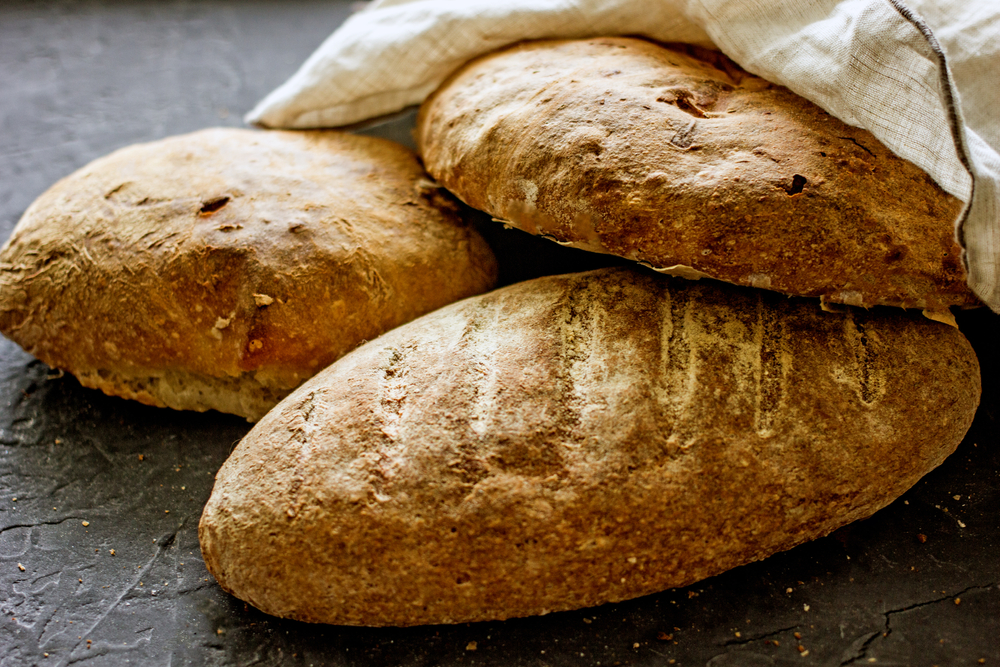
There is perhaps no country in the world that does not use them. When we talk about flours, in fact, we refer to one of the more versatile ingredients and essential in food preparation. They are the basis of so many preparations, such as pasta, bread, desserts. Talking about flours means entering a complex world, which must be studied in depth, precisely because of the wide variety of existing flours on the market, each with its own specific characteristics. Here are the main ones:
1. Wheat flours: 00 flour, type 0 flour and whole wheat flour.
00 flour is one of the most common and versatile flours. Obtained by milling soft wheat, it is characterized by a fine texture and a low amount of bran. It is ideal for making fresh pasta, pizza and leavened cakes. 00 flour is also rich in gluten, making it perfect for processing baked goods that require a light and fluffy texture.
Also the type 0 flour is obtained from the milling of soft wheat. Its low bran content makes it ideal for lighter doughs, while the presence of gluten contributes to a soft, well-leavened texture in baked goods.
La flour of soft type 0 wheat is a versatile choice suitable for a variety of breads. It has a medium texture, perfect for classic bread recipes, baguettes and many other specialties.
Whole wheat flour, on the other hand, is produced by grinding the entire grain of wheat, including the bran. This means it contains all the natural nutrients found in wheat, such as fiber, vitamins and minerals. Whole wheat flour is ideal for making more nutritious and fiber-rich breads, pastas and cookies, contributing to a balanced diet.
2. Alternative flours: oat, almond, rice and quinoa flours.
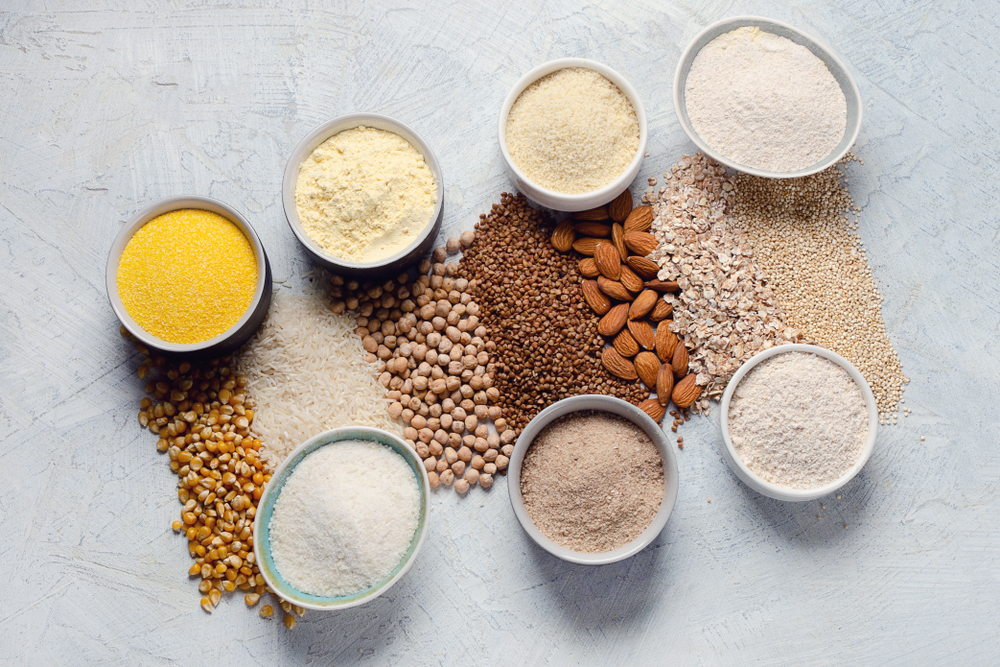
Among the so-called "alternative" flours are the oatmeal. Obtained by grinding oat grains. is a healthier ingredient because it is rich in soluble fiber that helps regulate blood sugar levels. Oatmeal is often Used to make pancakes, cookies and baked goods gluten-free.
Almond flour is an outstanding alternative for those who are gluten intolerant and also for those looking for lighter, more nutritious options. It is in fact a flour rich in protein, healthy fats and vitamins and is perfect for making gluten-free cakes, cookies, and tarts. Also gluten-free is rice flour, which is very light and delicate, suitable for cakes, creams and light doughs and also for crispy and tasty breadcrumbs.
It is increasingly depopulating the Quinoa flour, an excellent source of protein and offers a light texture.
The nutritional benefits of flours are many and different depending on the type used. Whole grain flours, for example, are rich in fiber, B vitamins, and minerals such as iron and magnesium. Gluten-free flours, on the other hand, are ideal for those who need to avoid gluten due to sensitivities or intolerances.
Experimenting with different flours can not only enrich variety in the diet but allow for surprising culinary creations. The key is to find the right flour for every occasion, balancing taste, texture and nutritional benefits.
Flour and baking: the choice that makes the difference
In the fascinating world of the bakery, the choice of flour plays a key role in determining the success and goodness of any creation, but also in giving the final product a particular texture, color and flavor.
Each flour offers unique features that affect the texture, flavor and overall quality of the bread. But what are the best flours to get optimal results in baking?
In addition to the more common type 00, 0, 1, and whole-wheat flours, there are many flours that lend themselves to leavening.
Manitoba flour
With a high protein content, Manitoba flour is the perfect choice for achieving a strong, well-developed structure in bread. It is particularly suitable for long rising doughs, such as those used in the production of baguettes and crisp breads.
Durum Wheat Flour
Wheat semolina flour is rich in gluten, which makes it ideal for making Italian bread and fresh pasta, precisely because the gluten gives the dough an elastic and resistant texture. Many Italian breads, especially those from southern Italy, are made with this flour, which also gives the bread a golden, fragrant crust.
Rye Flour
Rye flour is widely used in traditional European baking. It adds a distinctive flavor to bread and produces a denser, more compact crumb.
French bread flour (T65)
With an intermediate protein percentage, this flour, which in Italy corresponds to type 1 flour, is ideal for making traditional French bread. It gives the bread a thin, crisp crust and a honeycombed crumb.
In the overview of "unconventional" flours, one cannot, then, fail to mention:
the coconut flour, with its slightly sweet flavor and fine texture, is ideal for making cakes, cookies and exotic dishes, offering a nutritious and tasty alternative.
the pea flour, extracted from the grinding of dry peas, is a rich source of vegetable protein, perfect for making breads, scones and savory baked goods.
the cornflour, obtained by grinding corn, is a mainstay in the cuisine of many cultures. With its distinctive flavor and fine texture, it is perfect for preparing recipes of mexican cuisine, such as tortillas, arepas, and desserts like polenta.
Experimenting with these alternative flours offers not only an option for those with dietary restrictions, but also an opportunity to discover new flavors and unique textures. Creative approaches to cooking can turn these less conventional ingredients into true standouts, helping to make each dish a unique culinary experience.
Want to know all about alternative flours and learn the most advanced baking techniques? Discover the extraordinary course in contemporary baking Of Italian Food Academy.