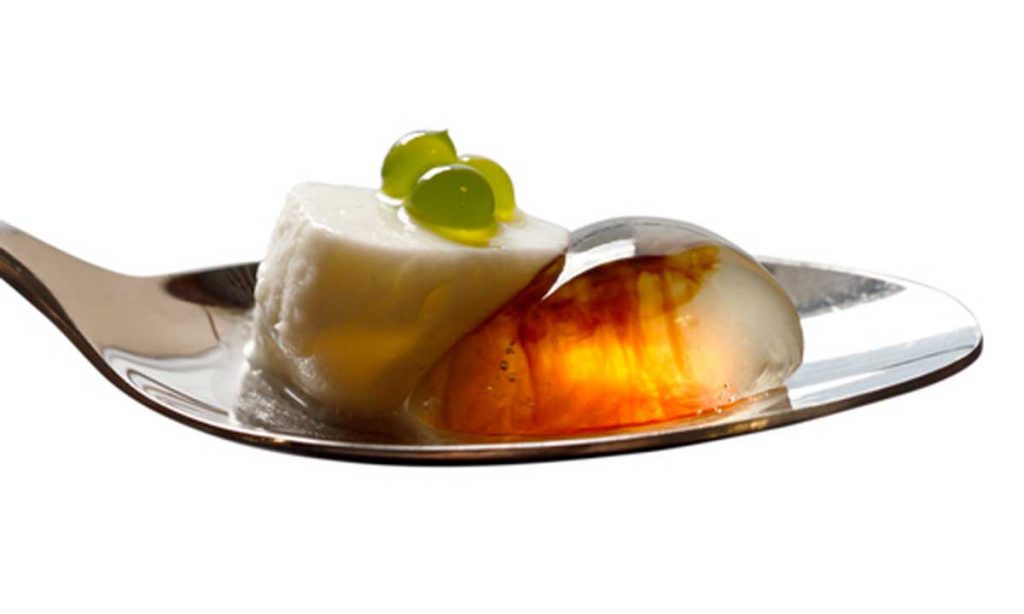
For those who are passionate about molecular cuisine or is about to approach this real culinary science, there are some must-reads useful to learn about processes, dishes and preparation techniques.
Three recommended molecular cookbooks
Among the many volumes devoted to the topic, we propose three that can undoubtedly be of interest to those who want to learn about molecular cuisine, and which offer a scientific approach to the subject, far from the false legends and rhetoric of certain gastronomic literature.
1. Science in the kitchen. Small treatise on molecular gastronomy.
The volume is a translation of the book by di Hervé This "The science of the oven" and is signed by This himself and by and J. M. Thiriet.
Divided into small chapters devoted to some research and discoveries of science in the kitchen, this molecular cooking book contains the "basics" of science in the kitchen, with insights into the applications of scientific research to some specific aspects.
The book tells how science can help perfect cooking by analyzing the physiology of taste and the molecular mechanisms behind food preparation and processing.
Lump-free sauces, well-thickened jellies, and more: this volume addresses the culinary art by passing not through experience, but through science, research, and experimentation.
2. Molecular cooking manual
By Anne Cazor and Christine Lienard is one of the first molecular cookbooks translated into Italian and contains as many as 20 basic techniques with recipes you can try. A basic molecular cooking text, ideal for those who are about to approach this field for the first time.
Molecular cooking. How to get a coffee sphere with a liquid heart?
By Anne Cazor, the same author of the "Handbook of Molecular Cooking," this volume shows how to chef with different types of premises or gastronomic activities have adopted the techniques, special ingredients and aesthetics of the movement of the "molecular cuisine".
The book contains 48 recipes that can be replicated, but more importantly it offers valid answers to the misinformation that accompanies this as well as every avant-garde current.
Enriched by an introduction by Hervé This, the quintessential scientist and popularizer of studies in the field, Anne Cazor's book offers answers to questions and a practical approach that allows the reader to hypothesize applications in their own kitchen.
The book reads in the introduction of Hervé This: "It is only by understanding matter that it is mastered and renewed. This is what we call Molecular Cuisine.".
Also: "The real mission of the kitchen is to give love. This is where the future of cooking must be planned, on a technical basis unencumbered by historical legacies that should only find a place in a museum. How will we know how to say 'I love you' better tomorrow than we do today?".
Do you want to know or learn more about the molecular cooking techniques? Choose the postgraduate course in molecular haute cuisine and the molecular cocktail course organized by Italian Food Academy.