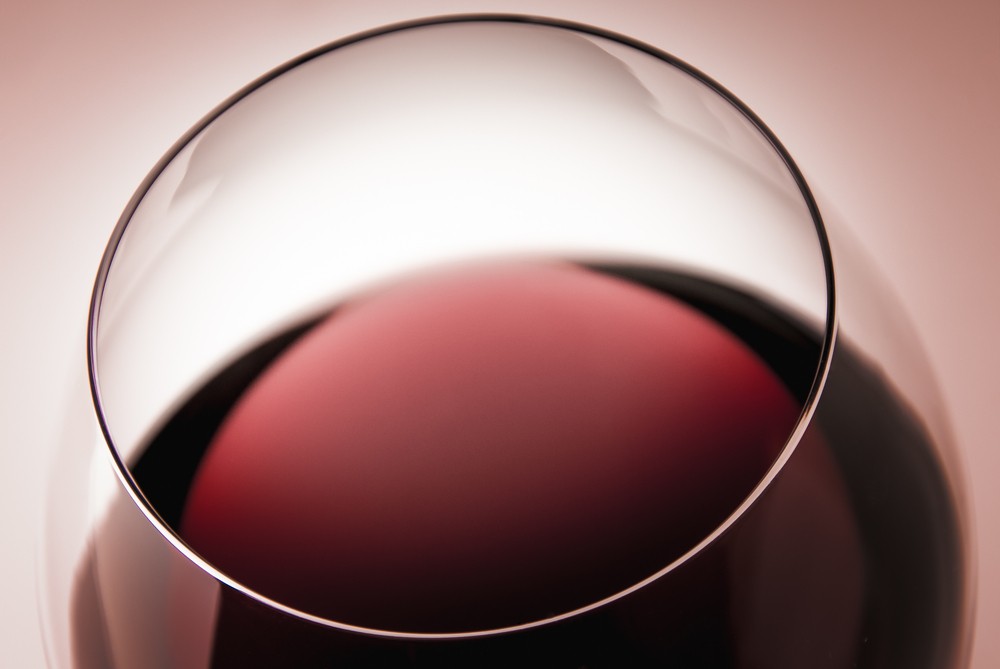
La history of Marsala brings us back to its inventor, John Woodhouse, an English merchant who arrived in Sicily by chance around 1770 and immediately realized that in a place kissed by the sun all year round, it would be possible to create something similar to the Port, to ]erez, to the Madeira. Telling us about it is a volume, "The pleasure of wine - how to learn to drink better" edited by Slow Food Publisher. This conscious tasting manual is also used in the two Master of Food & Beverage Manager e Viticulture and Wine Marketing.
La winemaking tradition, in Sicily, has roots as old as the grapevine: the Greeks had discovered and exploited the island's winemaking potential and, after them, so did the Romans, who apparently began using cooked must in winemaking.
Woodhouse soon developed the production technique, then having the merit of imposing the product on the international market, with a real propaganda that saw prominent testimonials, such as Admiral Nelson and Giuseppe Garibaldi, who sourced from the island to have the good fortified wine later passed into history and still symbolizes a land and a tradition.
It was Garibaldi himself, moreover, who wanted to lend his name ("Sweet Garibaldi") to the Marsala. In recent decades this wine has regained momentum, thanks largely to legislation that came into effect in 1986 and the serious efforts of ambitious producers.
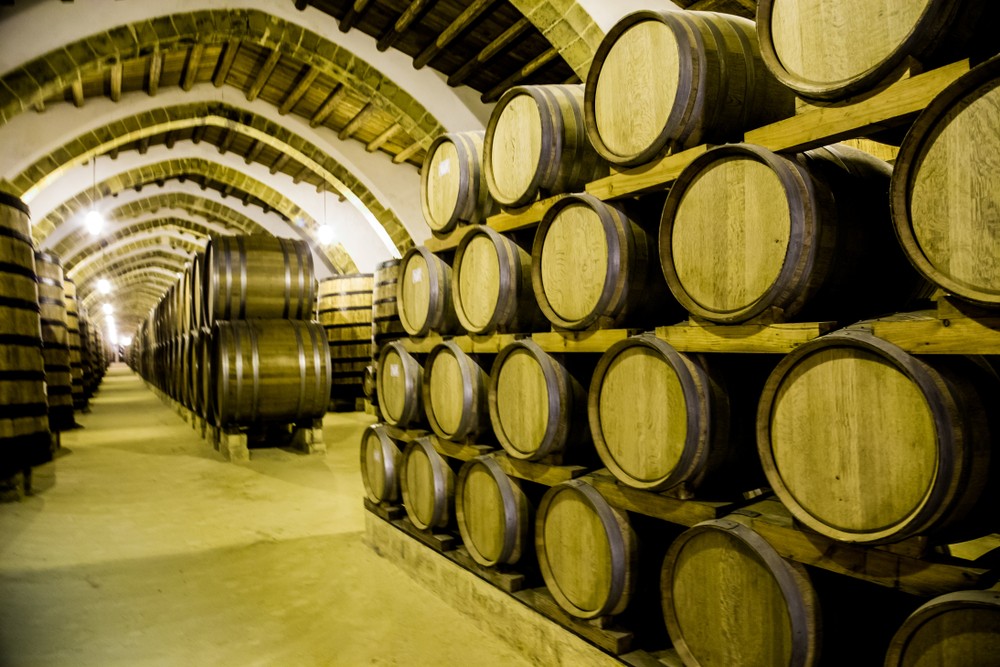
The process of obtaining Marsala.
The process for obtaining Marsala starts from the white vinification of Catarratto, inzolia and grillo grapes, white-fruited varieties that only in the Ruby version can be supplemented or replaced by red grapes: perricone, calabrese and nerello mascalese.
In order to promote oxidation, a series of racking is carried out after racking, and then we move on to "conching," which is the most delicate stage and takes place with the addition of a mixture of grape-derived products: Alcohol (which strengthens the wine), partially caramelized cooked must (which gives it pleasantly aromatic taste), concentrated must (with a softening function) and mistelle o siphon, a mixture of fresh grape must and alcohol or brandy (which perfects flavor and Fmezza of the wine).
After this phase, there is the so-called "government" with small amounts of Marsala Stravecchio (called perpetual), and the oak aging phase begins.
Marsala classification.
The criteria for the classification of Marsala Are:
- the color (gold, amber and ruby)
- The degree of sugar (dry, semi-dry and sweet)
- production techniques
- aging and alcohol content.
There are types:
- Fine (at least 17 degrees of alcohol and one year of aging)
- Superior (at least 18 degrees and two years of aging)
- Superior Reserve (at least four years of aging)
- Virgin Soleras (aged at least five years and without addition of cooked must)
- Vergine Stravecchio or Soleras Stravecchio, which must have at least ten years of aging.