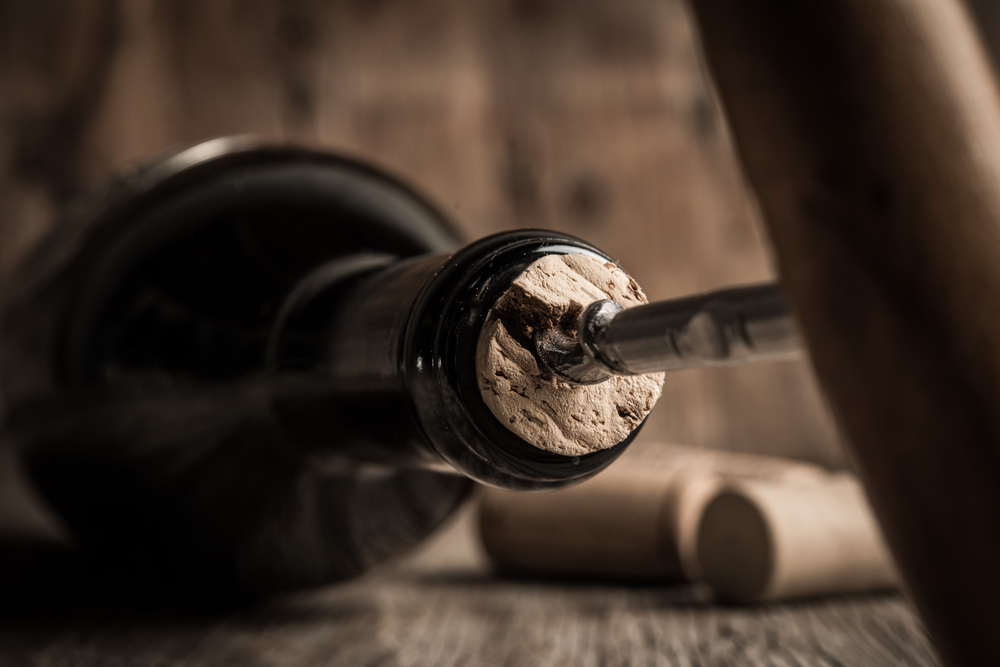
"Wine tastes corked." How many times will we have heard this phrase from tasters, curious e wine lovers, divided between the most romantic fond of the "cork" and the vanguardists of daring innovations.
To date, most of the caps used for the bottles of wine is cork, although this material also lends itself to some flaws, such as poor elasticity or excessive porosity, especially when the cork is of low quality. Not to mention that often the cork carries with it a fungus that causes the famous defect of wine "tasting corky."
Yet, cork represents the first choice for the bottle closures by many wine producers, for reasons having to do not only with the regulations that required, until last year, many DOC or DOCG wines to use corks, but also for reasons of wine marketing strategies, since cork is linked to an ancient and fascinating history of the industry.
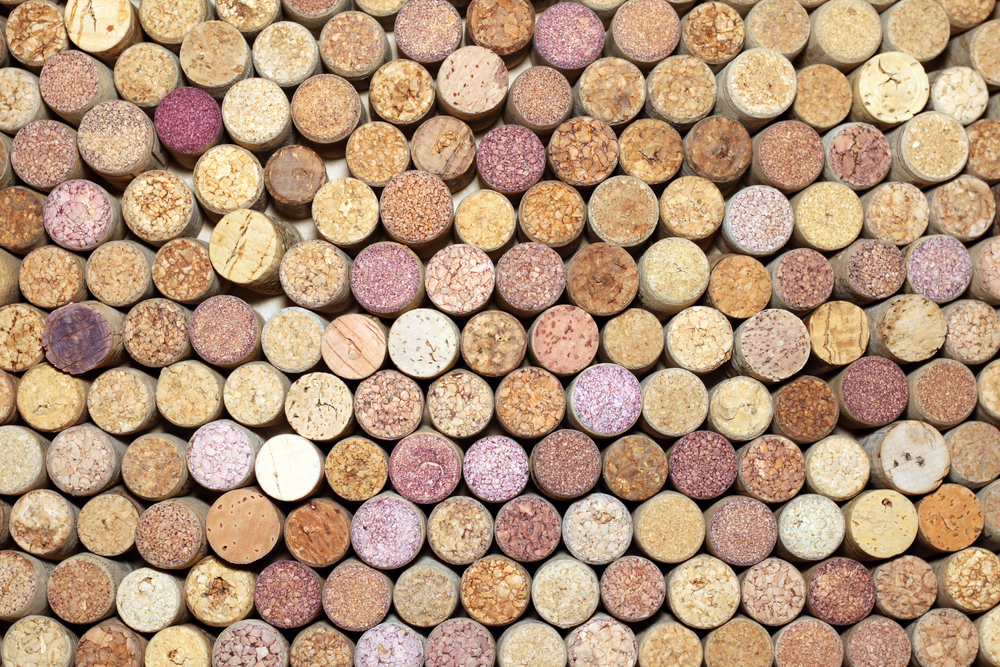
But what are the alternatives to cork?
Prominent among cork alternatives are:
- Silicone (mainly used for non-aging wines)
- Screw (used mainly for low-end medium-aged wines)
- in glass (elegant and being tested)
- crown (used for beers especially)
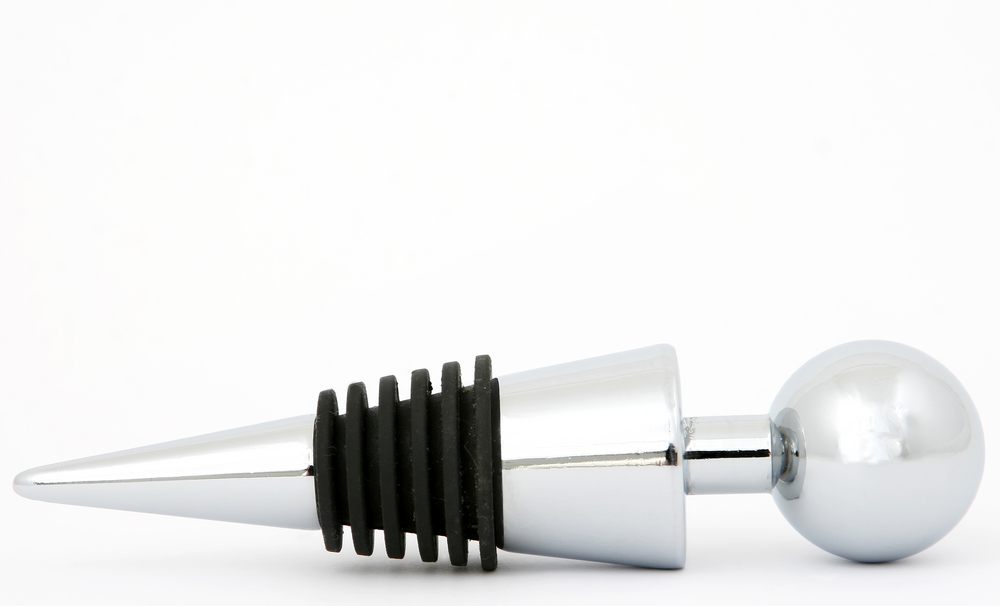
Silicone ones are definitely the most widely used, because they are very similar to cork ones, but its flaw is that this type of cork does not guarantee the same air exchange that cork guarantees and limits the evolution of the wine in the bottle, in the poorly insulated ones you accelerate it too much sometimes leading to oxidation.
The very elegant glass stopper is still being experimented with, but it seems that it is not yet yielding the desired results in terms of sealing the wine, often causing it to oxidize.
Crown cork is a good alternative to cork but limits oxygen exchange and thus wine evolution.
Want to learn all about wine and wine industry marketing? Discover the master's degree in Viticulture and Wine Marketing by Italian Food Academy.