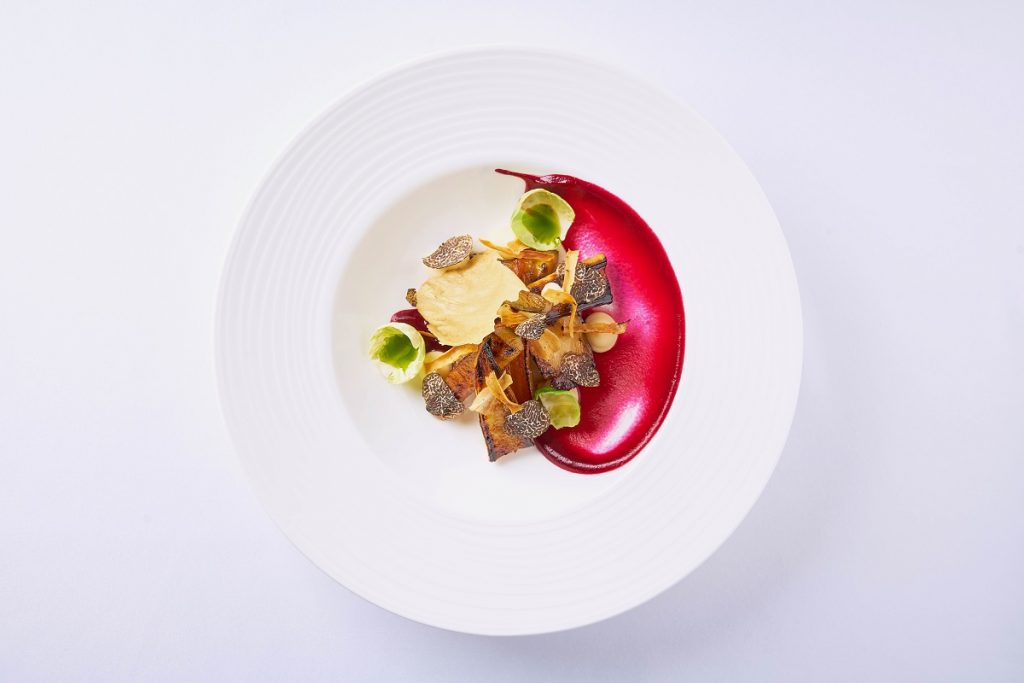
The eye also wants its share. And that's why in an industry like food, which is growing steadily thanks in part to numerous TV programs, theimpiattamento has taken on a certain relevance. The "dish," in fact, must now be not only good, but also beautiful to look at and, in the age of social media, to photograph.
Free rein, then, for the chefs' creativity. Without ever overdoing it, however, otherwise you run the risk of presenting a tacky and tasteless dish. The basis of a successful dish must be simplicity and quality, with the focus on the dish and not on the decorations.
Let's take a look at the most common mistakes to avoid, making sure that the plating really remains an art.
- Do not overdo the oil: just a trickle raw, thus avoiding turning the dish into a soup.
- Stop the salad bed: vegetables are definitely good for your health, but abusing them by filling your plates with "leaves" is bad for your "eyesight." A seen-and-seen, outdated game that has become commonplace.
- Only edible foods: Ditch the idea of filling plates with inedible decorations such as flowers, herbs, foil and various sprigs.
- Clean plate: basic rule of plating is cleaning the edges of dishes, removing fingerprints and halos.
- No to "rainbow" dishes: the plating should highlight the dish. Therefore, it is better to have a large, white plate without multicolored decorations, especially if the dish is already colorful in itself.
- Consistent pairings: this is one of the most important rules, which applies to both ingredients and decorations and colors.
- Don't go overboard with decorations: the dish is the main protagonist, not the decorations. Do not occupy all the spaces.
The first impact with a dish is visual; it only takes a little, then, to ruin a possible masterpiece. Very simple rules, but they often turn out not to be so obvious.