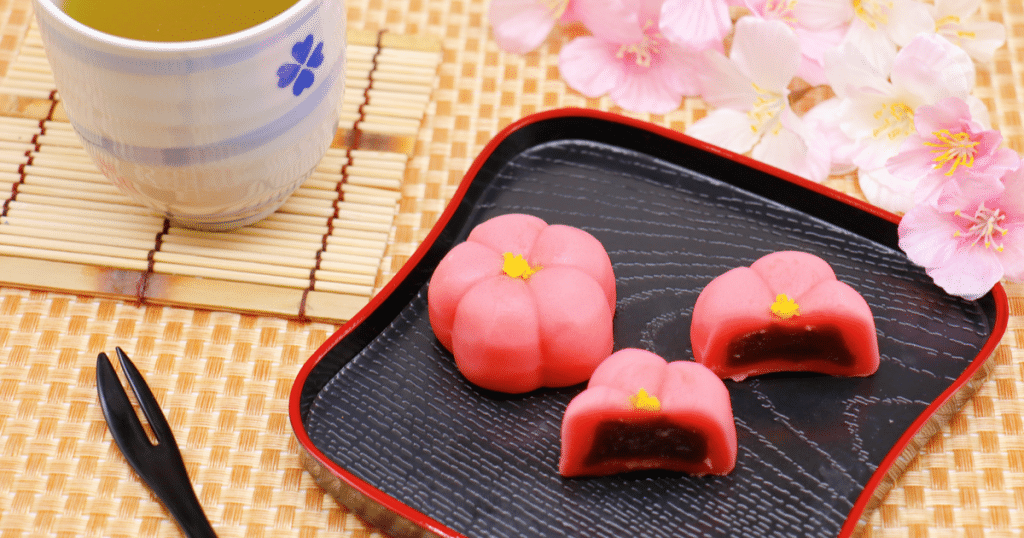
La Japanese pastry is very different from the rest of the bakeries Of the world: low-sugar desserts, use of ingredients of vegetable origin, even those that might seem unusual to us such as the azuki beans.
At a first taste the typical Japanese sweets might be peculiar, for the tastes of us Westerners, but past the initial astonishment, they can reserve some (it has to be said) sweet surprises.
The tradition of Japanese sweets, to be served strictly during the tea ceremony, is call Wagashi and, in this case, the delicacies are served in mono-portions.
We begin our journey into the world of Japanese pastry, discovering the peculiarities of a thousand-year-old tradition that differs greatly from our own.
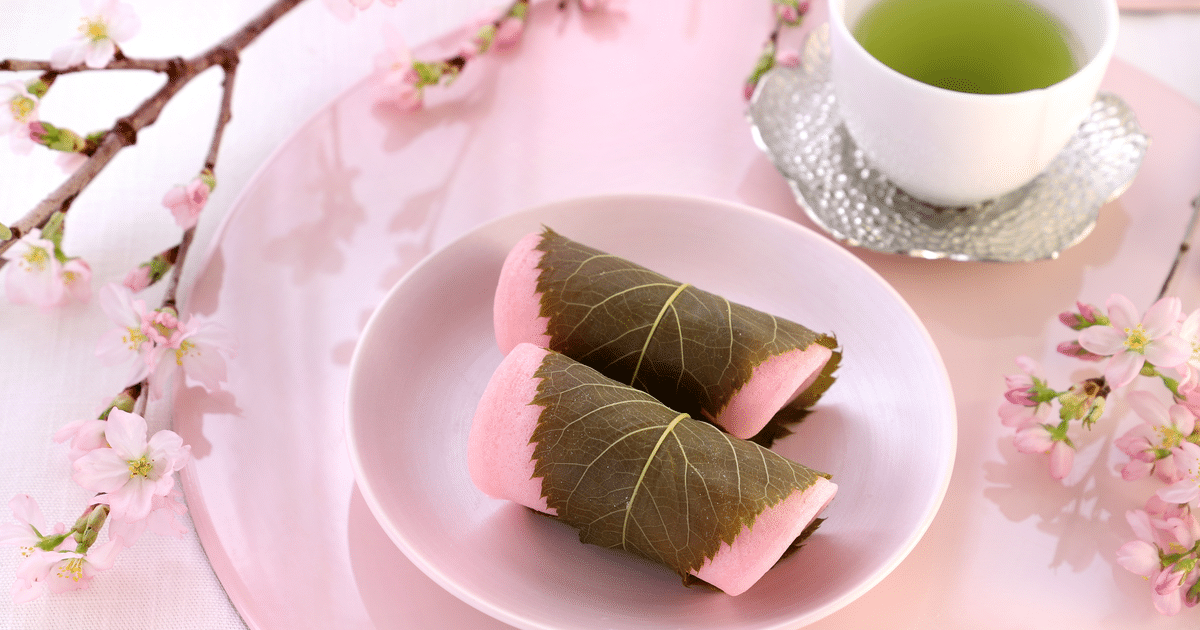
Typical Japanese sweets
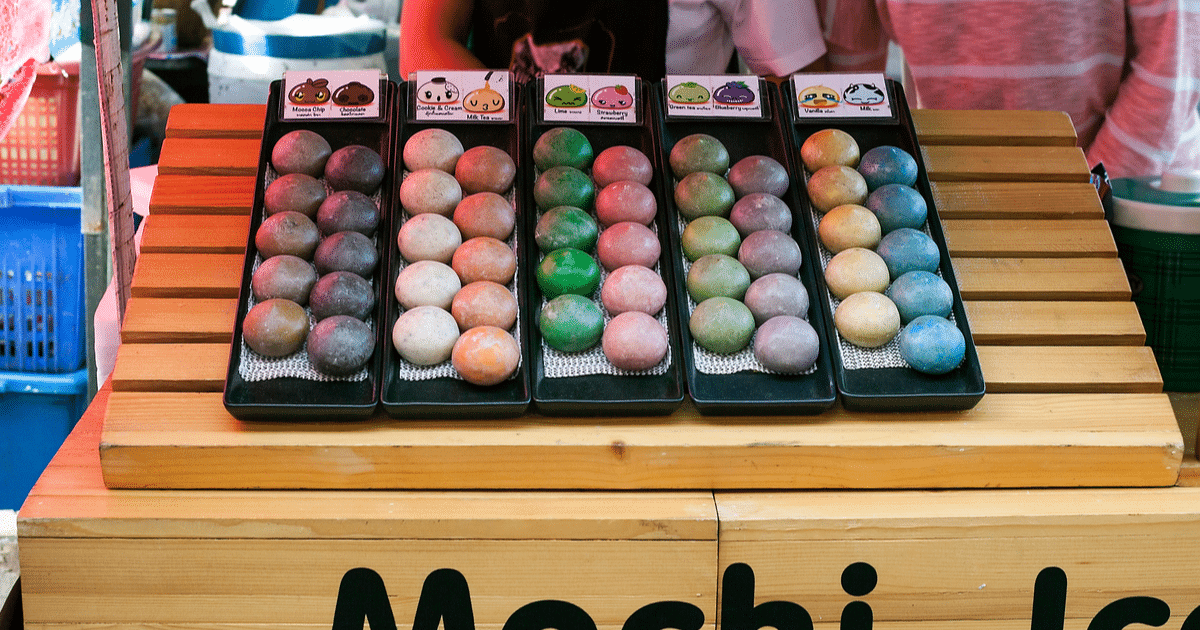
Mochi
Rice-based, it often takes the form of a cube or a sphere and is typical of the holiday period related to the Japanese New Year.
The mochi is made during ceremony of the mochitsuki.
Dango
A kind of dumpling prepared with rice and served on skewers. Many variations can be made green tea,sesame, azuki beans.
Dorayaki
Also called Japanese-style pancakes, the Dorayaki fyear part of the traditional breakfast. They take the form of two sponge cakes filled with a mouthwatering mixture of azuki beans and sugar.
Tayaki
A fish-shaped treat that can be enjoyed covered with chocolate, cream or bean sauce.
Manju
They are steamed cakes filled with anko, which often recall the shapes of fun, colorful animals.
Anmitsu
Jelly with fruit pieces made with theagar agar, a natural gelling agent extracted from algae, served with beans or peas, fresh fruit and a dark syrup called mitsu.
Anpan
Created by a former samurai, it takes the form of a sweet stuffed sandwich With different fillings.
Castella
An ultra-soft version of the sponge cake rectangular in shape and made from flour, eggs, sugar, starch syrup.
Chinsuko
A tea cookie among the best known in Japan.
Made from flour, sugar and lard, there are variations with matcha or toasted sesame.
Yatsuhashi
A fragrant puff pastry based on rice, sugar and cinnamon. Also available in a version with fillings.
Warabimochi
Soft rice balls To be garnished with different syrups and ingredients.
Melonpan
A mixture of water and flour, with a thin layer of melon-flavored cookie dough. It is also found in a variant with mouth-watering chocolate.
Sata andagi
Also in Japan fried treats exist. Balls of dough browned in boiling oil, they originate from Okinawa.
IFA's Course in Japanese Cooking.
The IFA's Course in Japanese Cooking is a guarantee for all those who want to learn the secrets of the age-old Japanese culinary tradition.
A full educational program, aimed at enthusiasts and novices, which teaches how to prepare typical Japanese dishes.
Numerous are also the job outlets:
- Japanese restaurants
- Ethnic restaurants
- Chef at home
- reception halls
- lounge bar
- sushi bar
- catering company
- Cruise ships.
With the IFA course you will also receive the Level 3 HACCP Certificate, l'private certificate of attendance at the Course and theinternship certificate Issued by the host facility.